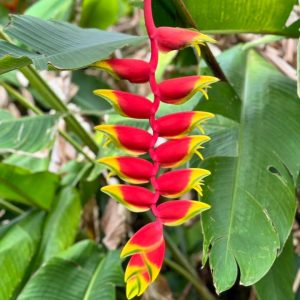
Here are my top picks for South East Asian herbs and spices to grow in your food garden – and while all of these grow happily in my Brisbane garden, some of these can be grown anywhere in Australia.
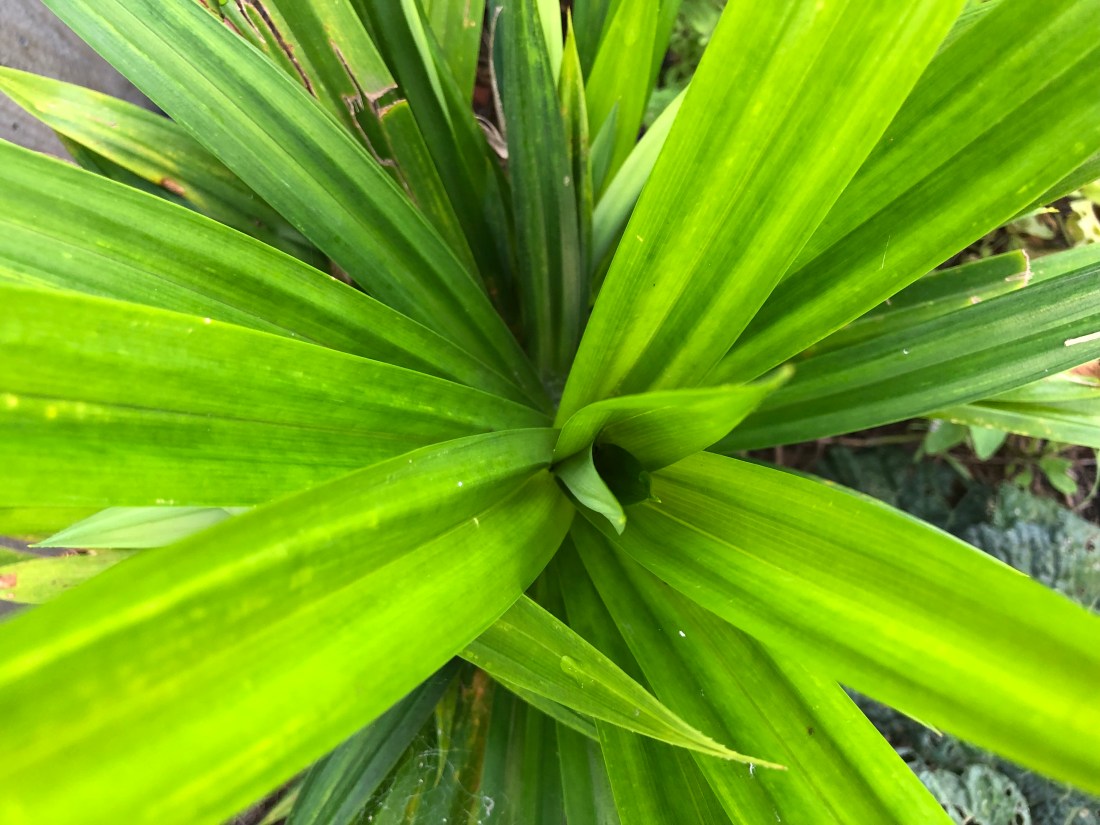
1. Pandan (Pandanus amaryllifolius)
A little bit harder to find in Australian nurseries, this plant is sometimes colloquially called ‘Asian Vanilla’. And if you have ever noticed it while travelling in South East Asia, chances are you will have smelled it before you have seen it. The aroma has nutty, vanilla, and floral characteristics – it really is unlike anything else.
The strappy leaves are knotted and placed in rice, curry, and deserts to infuse that magnificent flavour and aroma – or, can even be used as an air freshener.
It is more of a tropical plant, it looks really ragged in Brisbane’s cool winters, but enjoys the warm humid summer and lots of water. Could be worth having a go at growing in locations from Sydney and north if you can provide these conditions.
2. Lemongrass (Cymbopogon citratus)
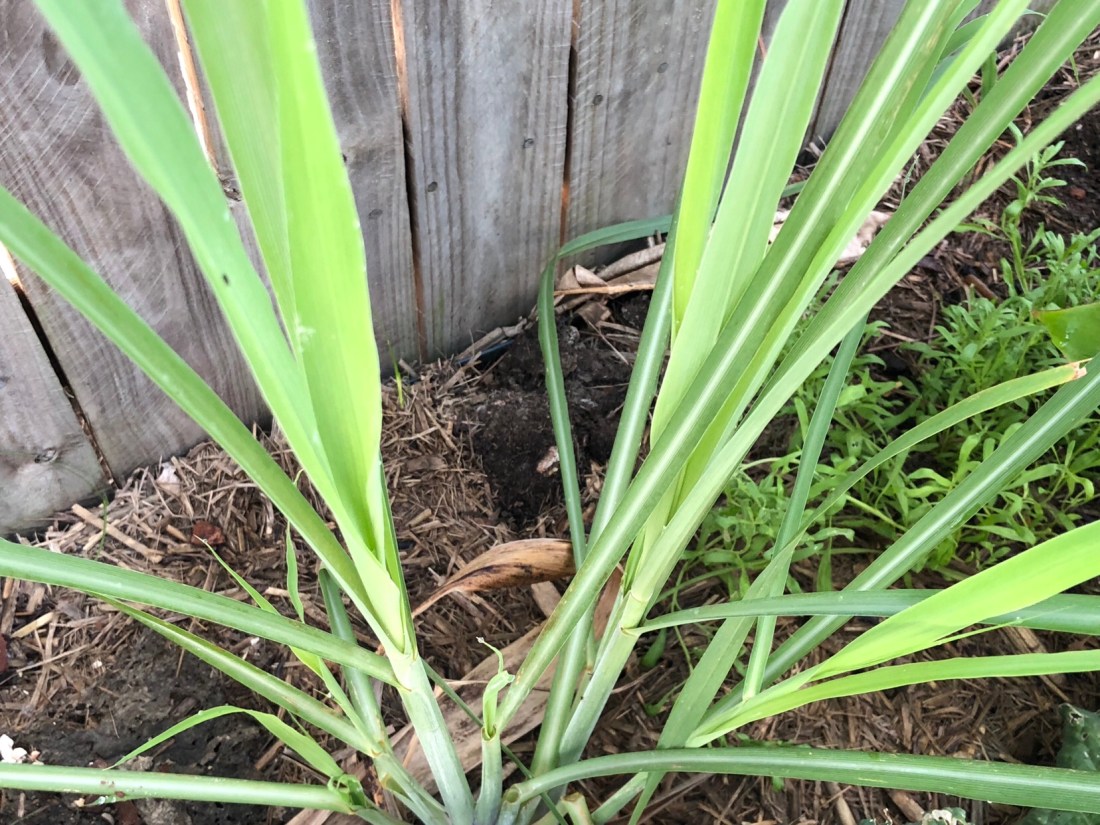
This herb needs little introduction, it is an easy to grow attractive grass that prefers warmth and plenty of water. Can be susceptible to fungal rust if not enough air flow around the plant. I grew mine from a store-bought stalk which I placed in a glass of water, but is widely available at nurseries in the warmer months. Great in teas and myriad Asian dishes.
3. Coriander (Coriandrum sativum)
One of my favourite herbs, you either love or hate coriander AKA cilantro (my partner hates it, for the record – and there is evidence that dislike of coriander is genetic). It is versatile; works well in Asian, Indian, and Mexican dishes.
All parts of the plant are edible and can be used. I have taken a photo of the seeds we harvested in winter as it really is a cool season crop – in the warmer months it will bolt so quickly, you won’t have much of a chance to use the leaves. Best grown from seed directly where it is to be grown as it does not like being transplanted. The bolting problem in the warmer months can be overcome by ‘succession sowing’ if you have a good supply of seed. There is a perennial alternative (which is actually a completely different plant to coriander) – I don’t grow it as it looks like a spiky dandelion, and I personally find it unattractive.

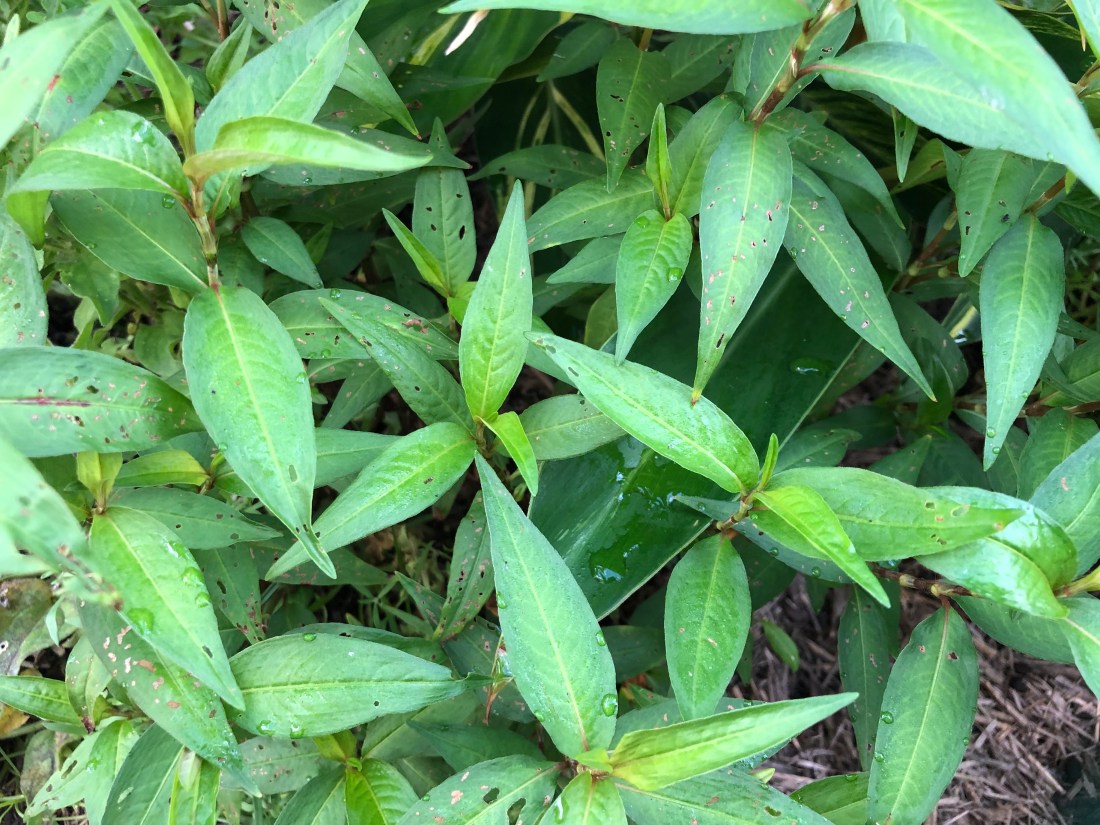
4. Vietnamese mint (Persicaria odorata)
Another one for the coriander lovers, this has a similar flavour and tastes great in Vietnamese rice paper rolls. It can take over a garden bed if you let it, so growing in a pot can be a good idea if you provide it with a good supply of water.
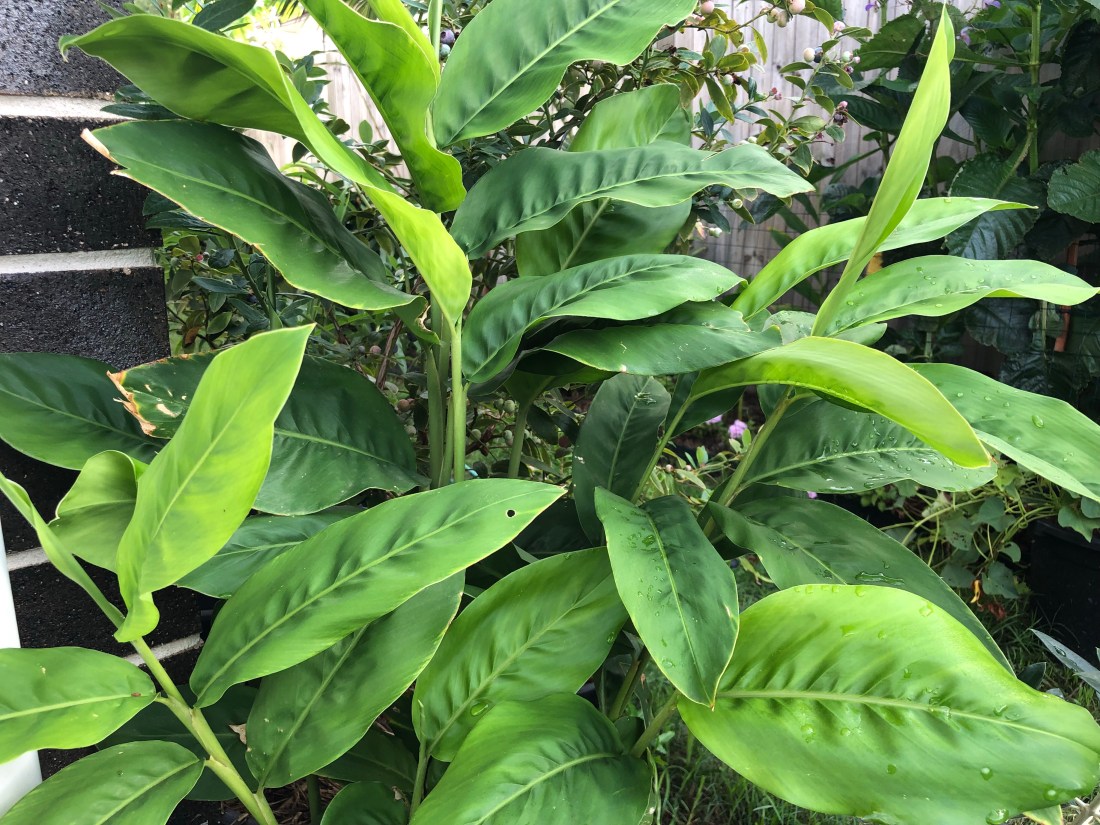
5. Galangal (Alpinia galanga)
This one is a relative of culinary ginger and needs similar conditions to grow. It will grow in full sun to part shade. I have mine growing in a pot but eventually I will move it to a garden bed once we have prepared one. Apparently it grows quite tall (2 m), I have found it to be a fairly easy care plant but it won’t grow much until temperatures are above 25 degrees celcius.
6. Chilli (Capsicum annum sp.)
Again, this spice needs no introduction – grow it in full sun and remember the membrane and seeds inside the chilli are the spicy parts. They are generally less spicy when they’re green. Don’t rub your eyes after chopping chilli, or better yet – wear disposable rubber gloves!

7. Ginger (Zingiber officinale)
Ginger has a beautiful bamboo-like foliage up to 1m, and can be grown in shallow pots. Members of the ginger family do not like to planted too deeply as the rhizomes will rot. If growing in a pot, avoid placing the pot in a saucer to capture the water.

8. Kaffir lime (Citrus hystrix)
Also known as the Makrut Lime, this is one of the quintessential flavours of Thai cooking. Leaves can be used sparingly (either crushed or very finely julienned) in cooking, and the wrinkly looking fruit can be made into a marmalade.
It is pretty much the same as growing any other kind of citrus, however if you’re using the leaves in food I would pay extra attention to spraying with horticultural oil to avoid Citrus Leaf Miner ruining the leaves. I use neem oil on mine.

9. Krachai AKA Chinese Keys (Boesenbergia rotunda)
This rare herb is best purchased online as you will not see it in nurseries very often. It is another member of the ginger family and is sometimes called ‘Lesser Galangal’. I have no idea how you would use this in cooking, but I suppose the finger-like roots can be used like galangal (apparently they have an even more delicate flavour). Like most gingers, requires a fair bit of water but does not like to have wet feet so should be well drained.
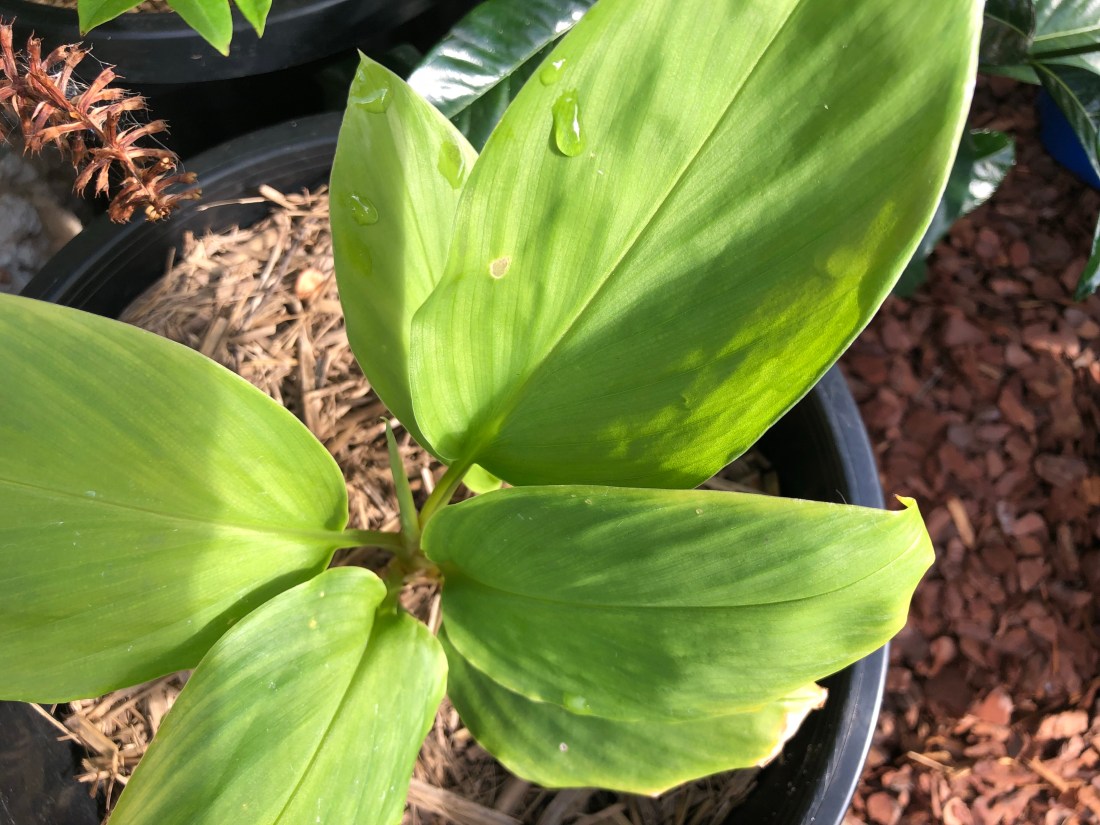
10. Turmeric (Curcuma longa)
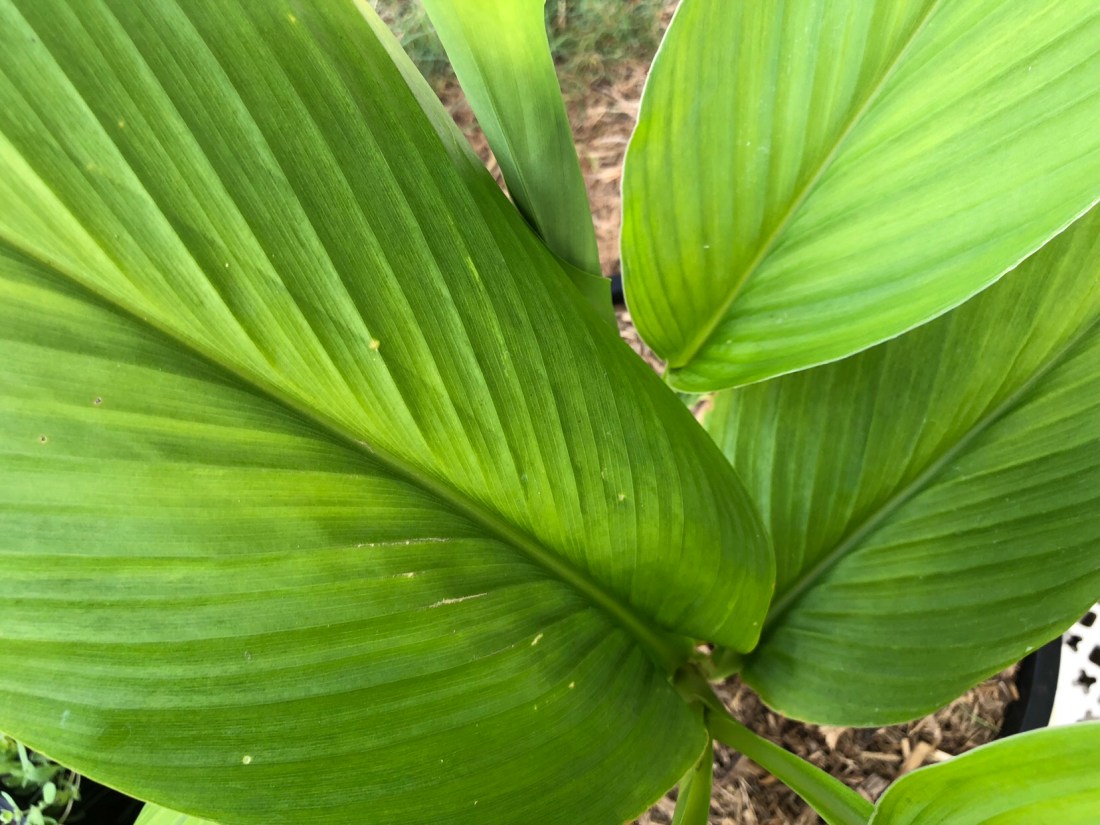
This herb is another member of the ginger family and is deciduous, so the rhizomes are best harvested after the foliage dies back. Slow down watering when the weather cools as overwatering and cool weather can cause the rhizomes to rot. I can confirm that it likes a fair bit of water in the summer months.
If you were growing turmeric for the foliage, I would suggest planting it where it gets some part shade as the foliage curls up in full sun, although full sun will not hurt the plant and in fact you may get more rhizomes being produced in full sun. Can be grown in Melbourne as long as rhizomes are dug out before the winter sets in and kept in a cool dry place until late spring.
Use the rhizomes fresh or dried in curries, lattes, and teas – there are many reputed health benefits of consuming Turmeric. It is reputed to have anti-inflammatory and anti-cancer properties. Be careful of stains from the rhizomes if you have light coloured bench-tops, clothing etc.
For something different, try growing the Australian Native Cape York Turmeric (which is also good for growing in Melbourne).
Plus 2 more!
1. Holy Basil (Ocimum tenuiflorum)
Also known as Tulsi in India, this plant is sacred in the Hindu tradition and is associated with worship of the god Vishnu (sprigs and garlands made of tulsi are placed as an offering in front of the deity at Hindu temples).
It is used in Thai stir frys (added late in the cooking process).
It has many reputed health benefits, which I won’t list here but are available to read online. Growing requirements are similar to European basil, however this will be a perennial in a warm climate like Brisbane, but an annual in cooler climates like Melbourne.
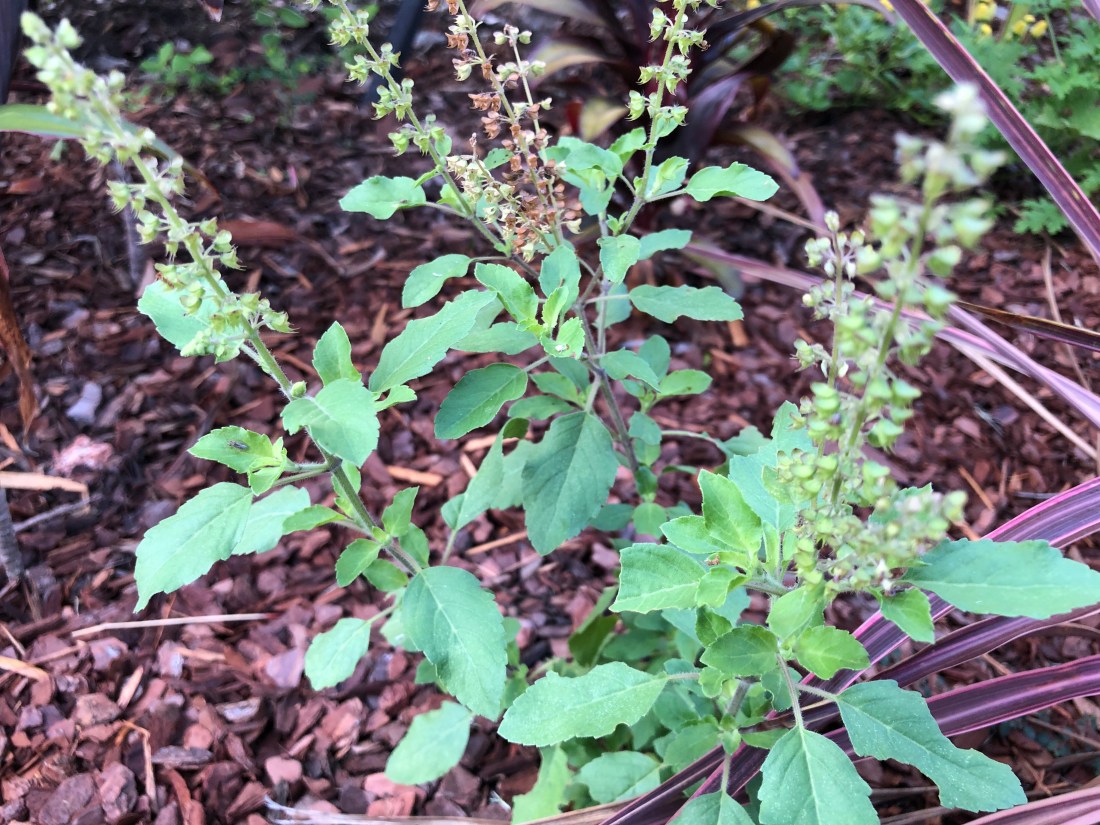
2. Thai Basil (Ocimum basilicum var. thyrsiflora)
Another type of basil used in Thai stir frys, with an aniseed like flavour. I have only just started to grow mine from seed (pictured), so I don’t have a huge amount of personal experience at my disposal however I would expect it is very similar to growing other kinds of Basil.


 Zacaconia Tropical Gardens