Following on from my post about my top 10 South East Asian herbs and spices, I thought I would write a post about my top 10 favourite Indian food plants. Spoiler alert: chilli does not feature in this post!
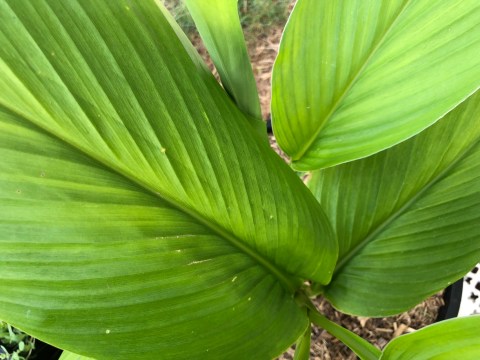
1. Turmeric (Curcuma longa)
Of all spices in my garden, this is the most Indian ingredient. Not only does it impart a lovely saffron colour to dishes, it is insanely good for you as well. See my previous post on SE Asian spices for growing notes.
2. Ginger (Zingiber officinale)
Ginger adds an additional fragrant element to many Indian dishes when combined with garlic. Not too difficult to grow, provided it has good drainage and is not overwatered in cool weather.
3. Tamarind (Tamarindus indica)
This is actually quite a large tree, but it is slow growing and responds well to bonsai treatment and being grown in containers. It is also very easy to grow from seed. See my post on how to grow tamarind from seed.
4. Cinnamon (Cinnamomum verum)
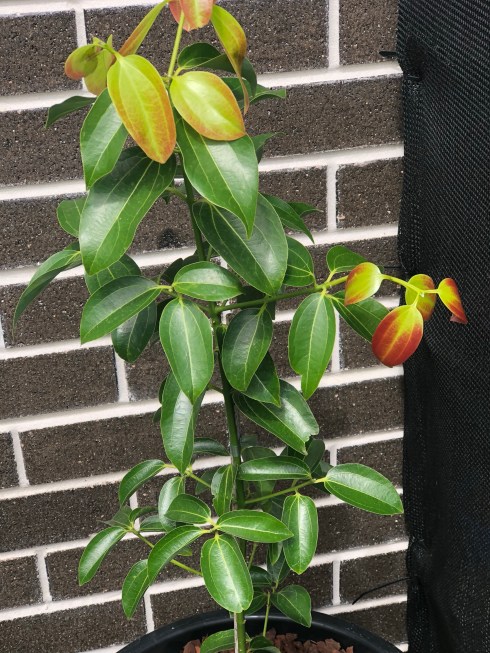
Did you know you can grow your own cinnamon? It is quite an attractive tree, with bright red new growth. You would need quite a lot of space to get any substantial amount of the spice as this comes from the inner layer of bark from wood that is a couple of years old, however the leaves also have a cinnamon flavour and aroma so can be used to infuse flavour into dishes like bay leaves.
They are not always available in Australian nurseries, so if you see one it is worth buying. I have mine growing in a large container. They are also a host plant to the beautiful Blue Triangle Butterfly.
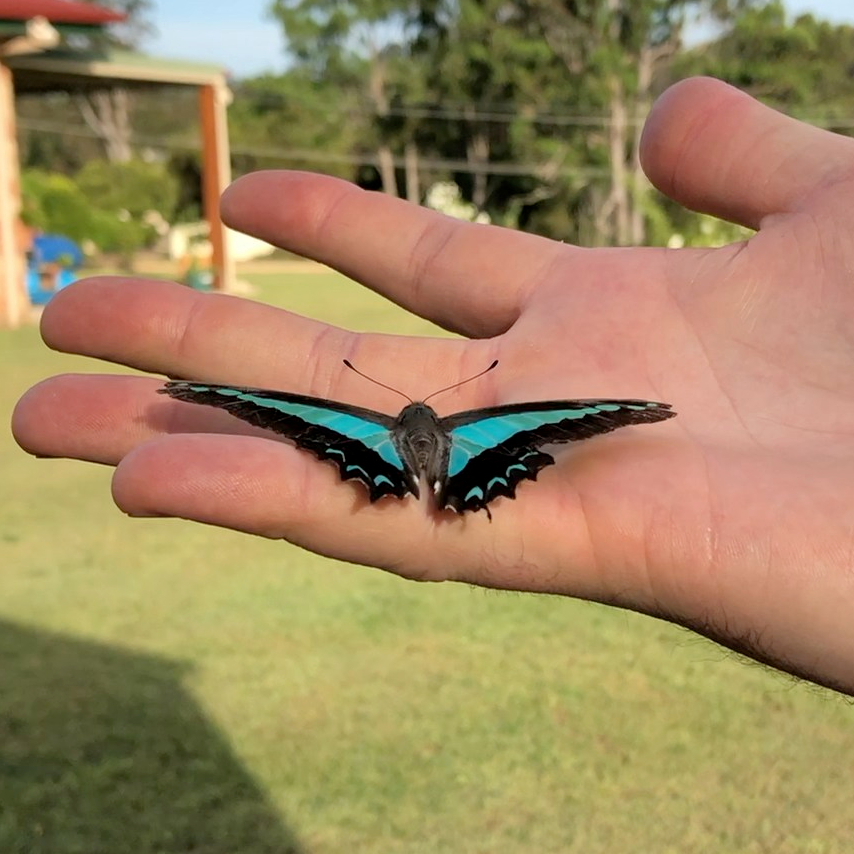
Images: Blue Triangle Butterfly (above) and cinnamon with its new red growth (below)
5. Cardamom (Elettaria cardamomum)
Another one that is a bit hard to find in Australia, see my post on finding true cardamom. It is the 3rd most valuable spice in the world and for good reason – the flavour and aroma that this unassuming ginger relative imparts to dishes is incredible. Native to the very tropical Western Ghats of India.
6. Holy Basil AKA Tulsi (Ocimum tenuiflorum)
Not only is this used for Thai stir frys, it is a very important plant in the Hindu tradition. In fact, many Hindus do not use this in cooking at all – its use is entirely ceremonial, religious of for Ayurvedic medicine. Naturopaths also commonly extol its health benefits.
7. Moringa AKA Drumstick Tree (Moringa oleifera)
This Southern Indian native tree is also known as the ‘Miracle Tree’ because just about every part of the tree has uses, ranging from culinary to water purification. It is an easy care plant and the climate in Brisbane is ideal, however it grows very quickly so be prepared to cut it back regularly. Will not tolerate frost. If you’re lacking space, and growing it in a container like I am, I have heard that self-watering pots are best as moringa has a very strong tap root which will escape out of the base of a pot and establish itself in the soil readily – the self watering pot does not have drainage holes to allow this.
They are easy to grow from seed, but fresher seeds have a better germination rate. I soaked mine overnight in a jar of water before sowing. This is a true permaculture plant because of its myriad uses and extremely high nutritional value, and therefore it is gaining popularity in the West. Leaves are very bitter so best used in curries like spinach. See the YouTube video below.
8. Curry Tree (Murraya koenigii)
The leaves smell like curry and can be cooked into dishes to impart that spicy curry flavour. Be careful through, this tree readily self seeds and has potential to become a weed in warmer parts of Australia.
9. Coriander (Coriandrum sativum)
Coriander is just delicious wilted in a daal (a type of Indian lentil dish). If you would like some tips on how to grow it, see my post on my top 10 South East Asian spices.
10. Okra (Abelmoschus esculentus)
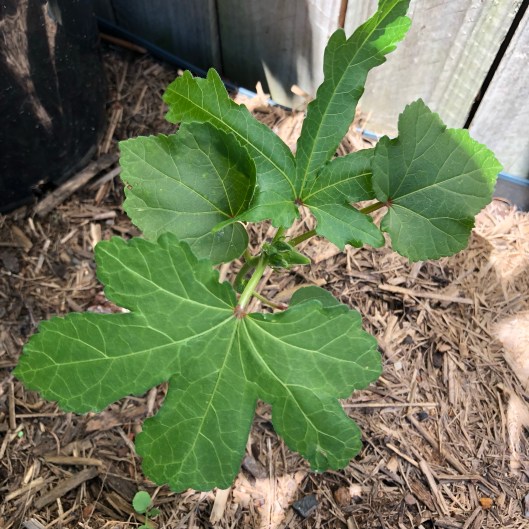
Also known as ‘Lady’s Fingers’ in parts of Asia, this plant is actually native to the Americas and has mucilaginous properties which makes it excellent for thickening stews and curries. I have found overwatering can easily cause it to rot, so keep it moist but not wet (especially at the seedling stage).
Image: our Okra plants (grown from seed) are coming along nicely.

 Zacaconia Tropical Gardens